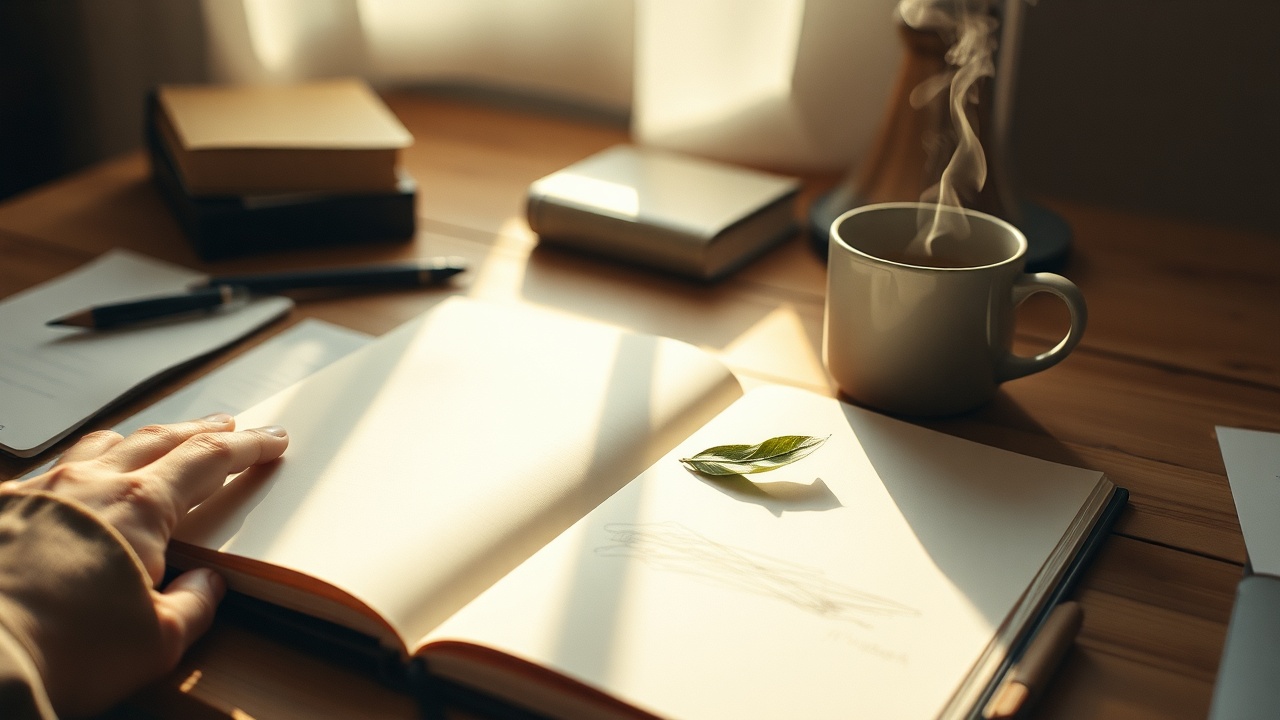
Morning light on a designer's calm workspace
Design Thinking By Elena Vance • Oct 12, 2023 • 8 min read

The Case for Slow Design: Why Rushing Creative Work Costs More Than Time

Create in Harmony. Deliver in Flow.

The Hidden Cost of Speed

In an era of instant gratification, the pressure to deliver creative work at lightning speed is relentless.

We live in a world that celebrates velocity. Sprints, two-week iterations, and "move fast and break things" philosophies have seeped into the creative process, convincing founders and brand managers that time is the enemy of quality. But when we rush design, we don't just lose polish; we lose the very essence of what makes a brand resonate.

Consider the hidden costs of speed. A rushed logo might launch on time, but it often lacks the nuance required to stand out in a crowded market. A website built in a frenzy might be functional, but it rarely provides the frictionless, intuitive experience that builds long-term trust. The immediate gratification of a deadline met is often outweighed by the long-term expense of rework, brand dilution, and missed emotional connections.

True creativity requires a pause. It requires the space to question, to iterate, and to refine until the work breathes. When we prioritize speed over substance, we sacrifice the brand's soul for the sake of a calendar date.

The Philosophy

What does 'slow design' actually mean?

Slow design is not about laziness or inefficiency. It is a deliberate practice of intentionality. It means resisting the urge to deliver the first draft and instead investing in the refinement that turns good into great.

In practice, slow design looks like a discovery phase that digs deeper into the brand's "why" before a single pixel is placed. It looks like typography research that spans weeks to find the perfect pairing. It looks like a logo iteration process that explores three distinct directions rather than tweaking one existing idea.

By slowing down the process, we allow the brand to emerge organically. We give the stakeholders time to reflect on the work, providing feedback that is thoughtful rather than reactive. The result is a brand identity that feels less like a deliverable and more like a living, breathing extension of the business itself.

Case Studies

Breakthrough Results

Three instances where pausing produced measurable impact.

Lumina Skincare

When Lumina approached us, they needed a rebrand in four weeks. We proposed a six-week timeline to ensure the color palette reflected their new organic ingredients. The delay cost them a month, but the resulting brand equity increased their perceived value by 40% within the first quarter.

Verdant Architecture

For a high-end residential firm, we spent three weeks on typography research alone. While competitors were launching websites with standard fonts, Verdant launched with a bespoke typeface that communicated their commitment to craftsmanship. The site won a regional design award.

Serenity Retreats

We delayed the final logo sign-off by two weeks to allow the founders to test the mark in real-world scenarios. This pause revealed a usability issue with the mark on mobile devices. The fix saved them from a costly redesign of their booking app later on.

"The best brand decisions are made in the space between the brief and the keyboard."

Leading the Conversation

How to explain the value of time to stakeholders.

It can be difficult to advocate for a slower pace when stakeholders are accustomed to agile methodologies. The key is to reframe "time" as an investment in "ROI." Explain that a rushed project is a risk, while a thoughtful project is a guarantee of quality.

Use data to support your case. Show them examples of brands that launched too quickly and had to rebrand later. Present a timeline that breaks down the value of each phase—discovery, conceptualization, refinement—so they see where their money is going. When you speak their language of business, they will understand that slow design is not a delay, but a strategic advantage.

Slow Down to Go Further

The creative process is not a race. It is a journey. By embracing the pause, we create work that endures. Work that doesn't just meet expectations, but elevates them. Work that truly resonates.

Elena Vance

Elena Vance

Founder & Creative Director

Elena founded Synckit with a belief that creativity thrives in stillness. With over a decade of experience working with purpose-driven brands, she advocates for processes that prioritize depth over speed.

More from the Studio

The Art of Minimalism

Why less is often more in modern brand identity.

Color Psychology

How to choose a palette that speaks to your audience.

Typography for Trust

Selecting fonts that convey authority and warmth.

Join the Flow

Receive mindful design insights

Join our newsletter for studio updates, design tips, and stories from the studio.