Design Thinking

Color Psychology for Wellness Brands: Beyond Green and White.

How emotional resonance drives brand identity and why stepping away from the obvious creates lasting impact.

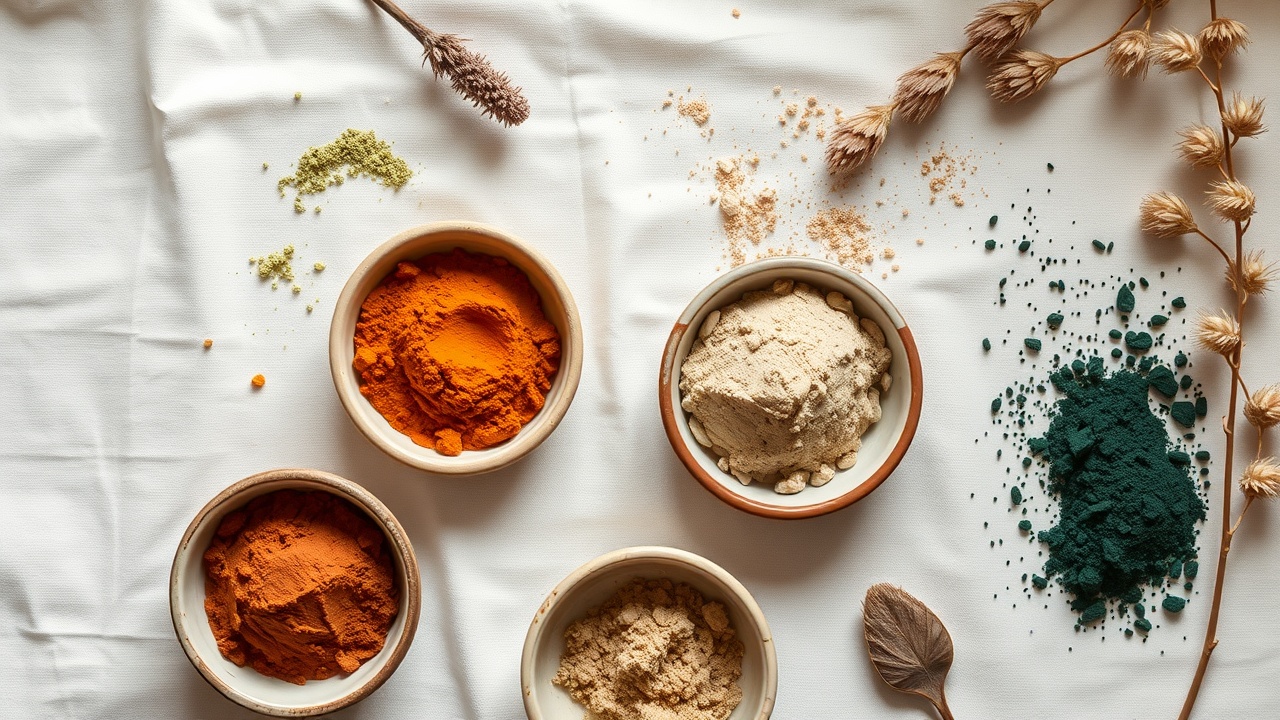
A flat-lay of natural pigment samples arranged artistically on linen, featuring earthy tones like sage, terracotta, and oat

The wellness industry is often defined by two colors: sage green and white. It’s a safe, clean, and clinically sterile aesthetic. But is it truly resonant for a mindful business?

While these colors evoke feelings of health and cleanliness, they also carry associations with hospitals, insurance offices, and sterility. For a brand that promises calm, connection, and vitality, relying on these clichés might be doing your customers a disservice.

True wellness branding requires color psychology that goes deeper than surface-level trends. It’s about understanding the emotional architecture of your audience and translating that into a visual language that feels both authentic and inviting.

The Sage Green Paradox

Why the "calm" color often reads as "corporate."

Sage green is ubiquitous in wellness marketing because it is soothing. But it is a passive color. It suggests retreat and stillness, but it rarely suggests energy or innovation.

When a founder chooses sage, they often want to signal "nature" or "organic." However, without a supporting color story—like a warm clay or a textured oat—the brand can end up feeling generic. To make sage work, you must pair it with something that grounds it. A pure sage and white palette often feels like a spa catalog rather than a unique lifestyle brand.

The most successful wellness brands understand that color is not just decoration; it is communication. They use sage not because it's popular, but because it fits a specific narrative of restraint and natural integrity.

The Power of Warm Neutrals

Moving away from cold whites to embrace grounding earth tones.

There is a quiet revolution happening in brand identity, and it involves swapping out stark white for warmer neutrals. Colors like Oat, Clay, and Sand are not just softer on the eyes; they are psychologically warmer.

These hues are associated with comfort, security, and tactility. They signal that a brand is approachable and human. In a digital world that is often cold and blue-toned, a warm oat background or clay accent creates an immediate sense of hospitality. It tells the viewer: "This brand feels like a hug."

Oat

The ultimate neutral. It feels organic, unpretentious, and endlessly calming. It serves as a perfect backdrop for bolder accent colors.

Clay

A grounded, earthy tone that adds warmth and stability. It suggests a connection to the earth and a slow, steady pace of life.

Sand

Soft and diffused, like a beach at twilight. It creates a sense of spaciousness and tranquility without feeling sterile.

Unexpected Choices That Work

Why deep terracotta and near-black forest are taking over wellness branding.

Breaking the green-and-white mold allows a brand to stand out and feel more sophisticated. Two colors are emerging as favorites for high-end wellness brands: Deep Terracotta and Near-Black Forest.

Deep Terracotta is a color of vitality and passion. It is warmer than red but softer than orange. It suggests a life lived outdoors, sun-drenched, and full of energy. It is an excellent choice for brands focused on movement, yoga, or holistic health, as it counters the passivity of sage with a spark of life.

Near-Black Forest (a very dark, desaturated green or almost black) conveys luxury and depth. It feels mysterious and restorative. It works beautifully for sleep brands, meditation apps, or high-end retreats where the goal is to escape the noise of the world. It is a color that commands respect.

Building a Palette with Emotional Coherence

How to combine colors that tell a unified story.

When assembling a color palette, don't just look at what's trending. Look at the emotions you want to evoke. A palette should have a dominant hue (the "mood"), a secondary hue (the "accent"), and a neutral hue (the "canvas").

For example, a palette might be built around Sage (mood), Clay (accent), and Oat (canvas). This combination feels organic, grounded, and calming. Alternatively, a palette built around Deep Forest (mood), Sand (accent), and Oat (canvas) feels grounded, safe, and breathable.

The key is emotional coherence. Every color in the system should support the central feeling of the brand. If you are a brand that sells anxiety relief, you likely want to avoid jarring colors like bright yellow or aggressive orange. Stick to a monochromatic or analogous color scheme to maintain visual harmony.

Real-World Palette Examples

Three fictional brands showing how color systems define their identity.

Lumina Skincare

A minimalist approach using Sage for purity, Clay for earthy ingredients, and Oat for a soft, calming backdrop.

Serenity Sleep

A restorative palette using Deep Forest for depth, Lavender for dreaminess, and Oat for breathable comfort.

Vitality Yoga

An energizing system using Terracotta for vitality, Warm Clay for stability, and Oat for a gentle foundation.

Practical Checklist

Test your palette in 5 critical scenarios before you commit.

  • View your palette under natural daylight (not just indoor office lighting). Does it still look warm and inviting, or does it fade into the background?
  • Look at your palette on a phone screen in a dark room. Does the contrast hold up? Ensure your dark text is readable against your background colors.
  • Look at your palette from a distance of 20 feet. If it looks like a muddy brown blob, you have lost too much contrast and need to adjust your saturation levels.
  • Search for your brand name in your proposed color palette. Does it look distinct? If your colors blend too much with the current market, you risk becoming invisible.
  • Ask yourself: if I closed my eyes and pictured this color, what feeling comes up? Does that feeling match the mission of your wellness brand?
Ready to find your colors?

Let's build a palette that feels like home.

We help conscious brands define their visual identity with intention and emotional depth. Start your journey today.